Rooted in History, Growing A Regenerative Future
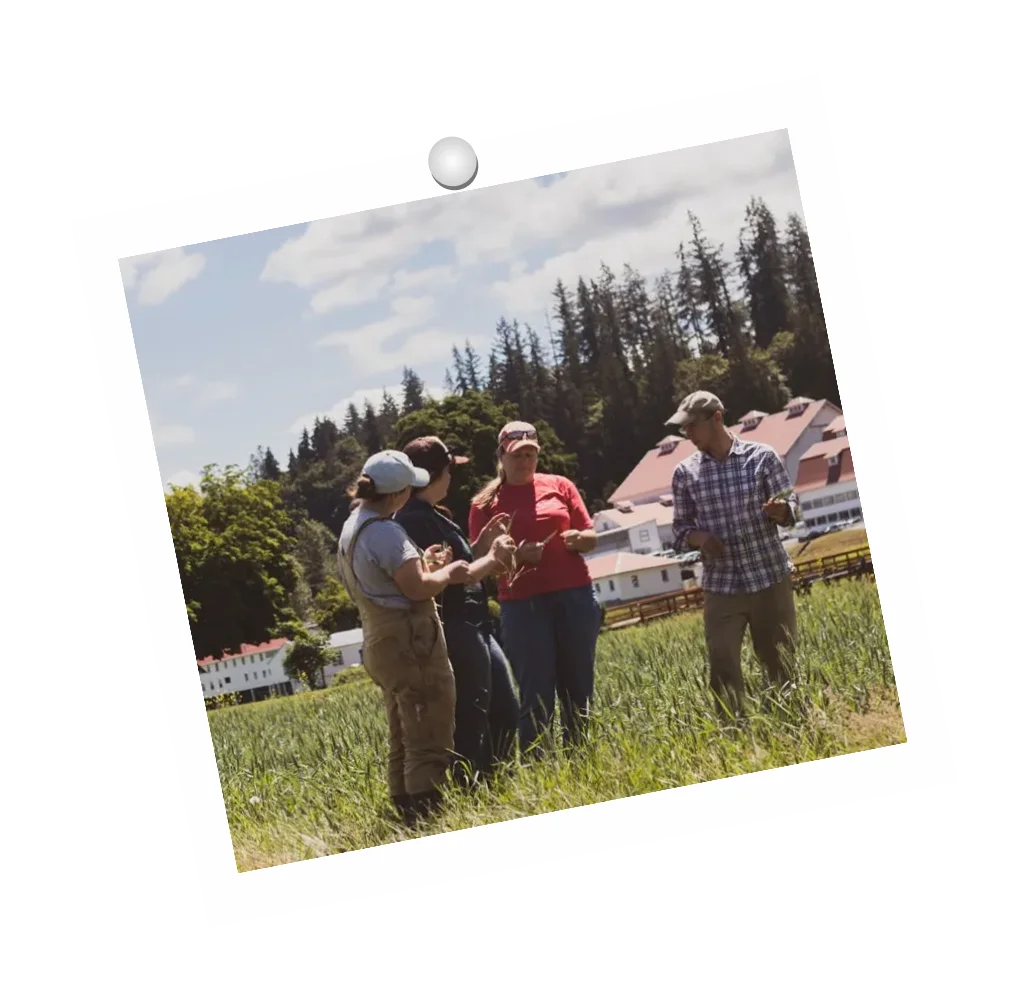
Step into the legacy of Carnation Farms, from our 1908 origins as a pioneering dairy to our evolution into a nonprofit hub for regenerative agriculture, food education, and community.
A Century of Impact and Innovation
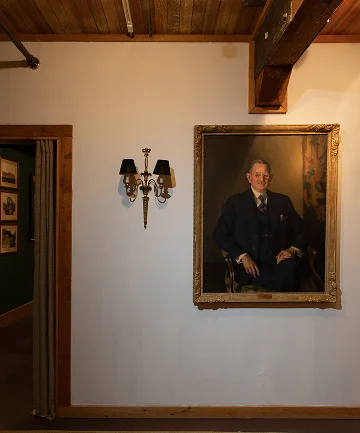
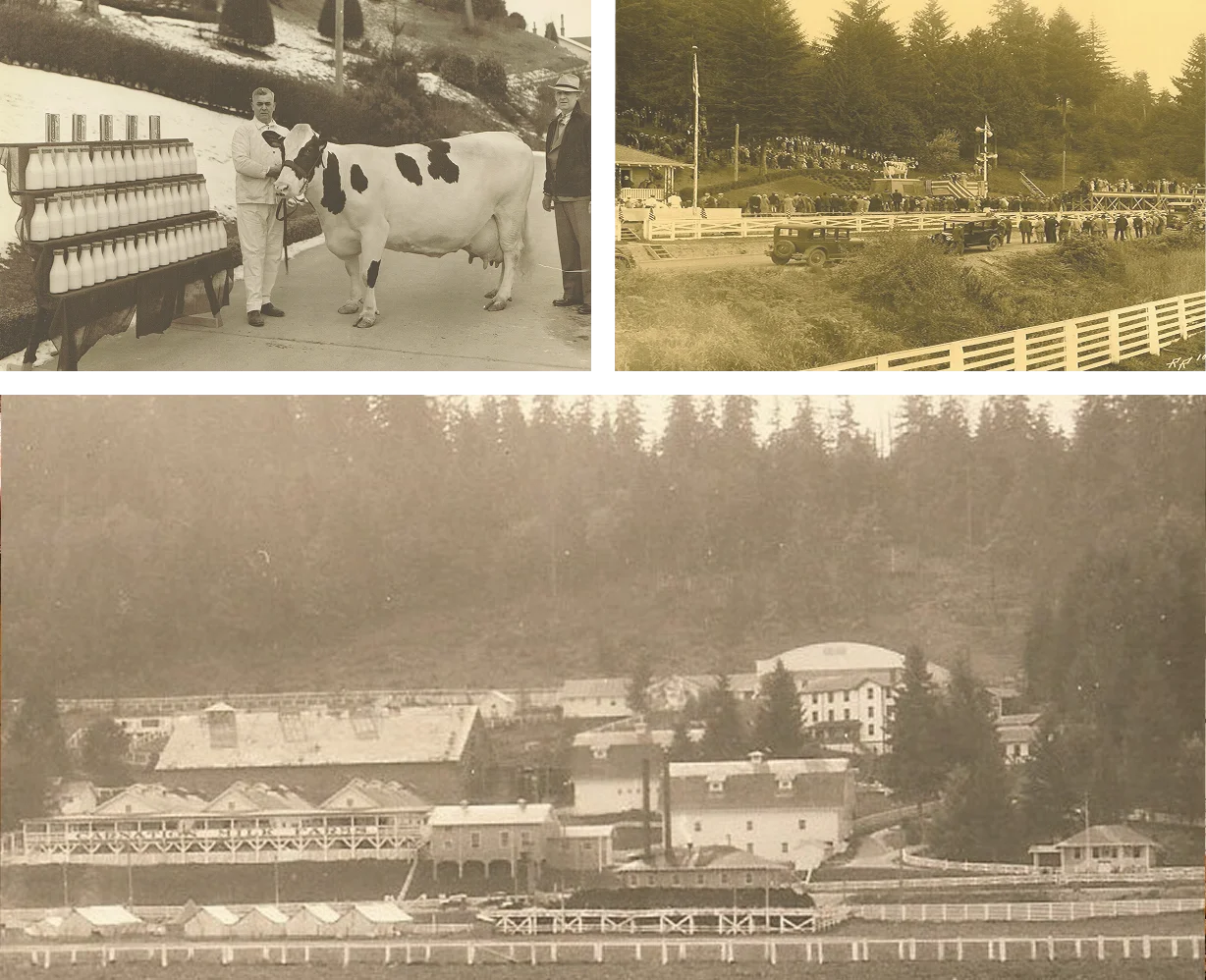
Carnation Farms was founded on a vision to enhance dairy quality and animal welfare through improved farming practices. Founded in 1908 by E.A. Stuart, the farm became synonymous with the “Contented Cows” of Carnation Milk, helping shape agricultural practices across the country.
Over the decades, it evolved into a national icon. In 2016, it was reimagined as a nonprofit with a bold new mission: to educate, regenerate, and build a resilient local food system. Today, our history informs everything we do, from how we grow food to how we connect people to the land.
OUR HISTORY
A Journey Through Time
1899
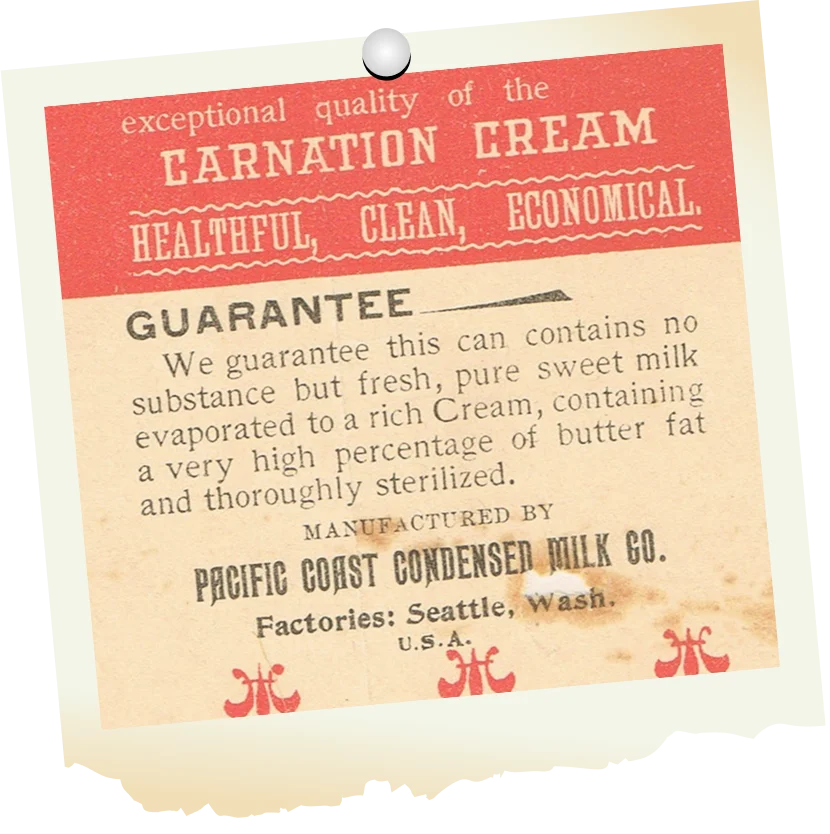
Pacific Coast Condensed Milk Company is Founded
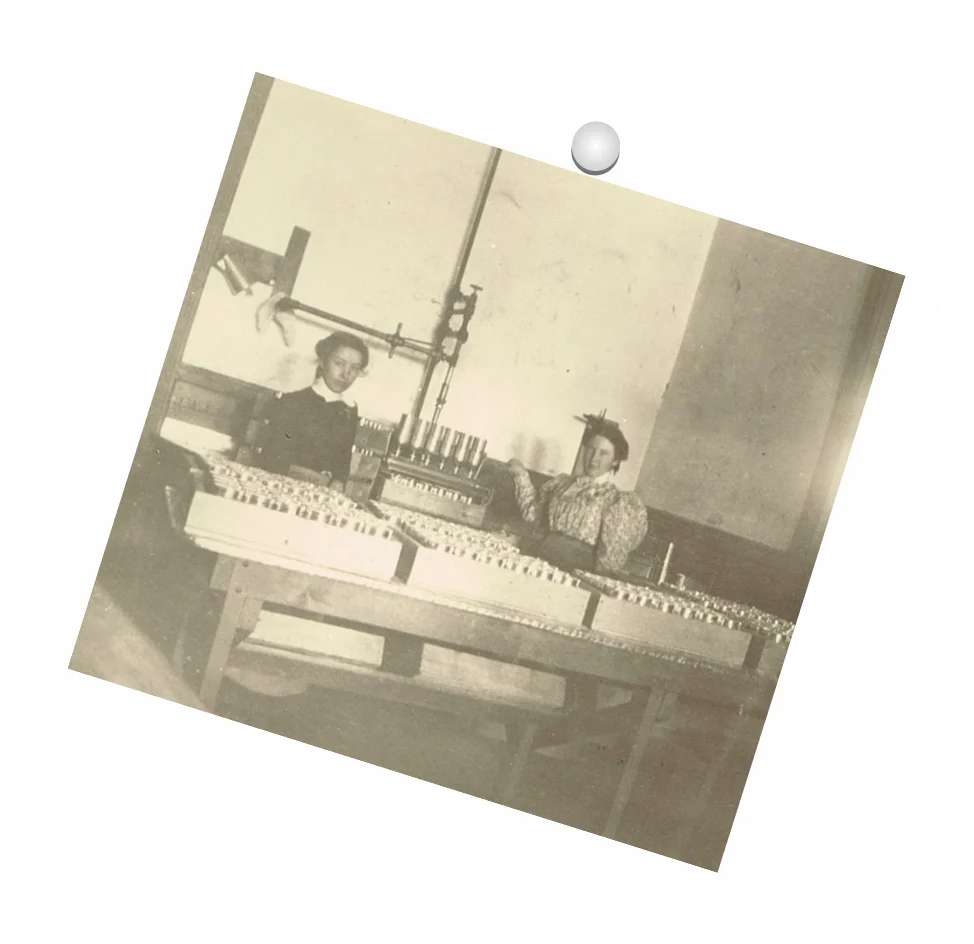
E.A. Stuart partners with T.E. Yerxa and John Meyenberg to open their first condensery in Kent, WA, producing evaporated milk using innovative vacuum sterilization.

1906
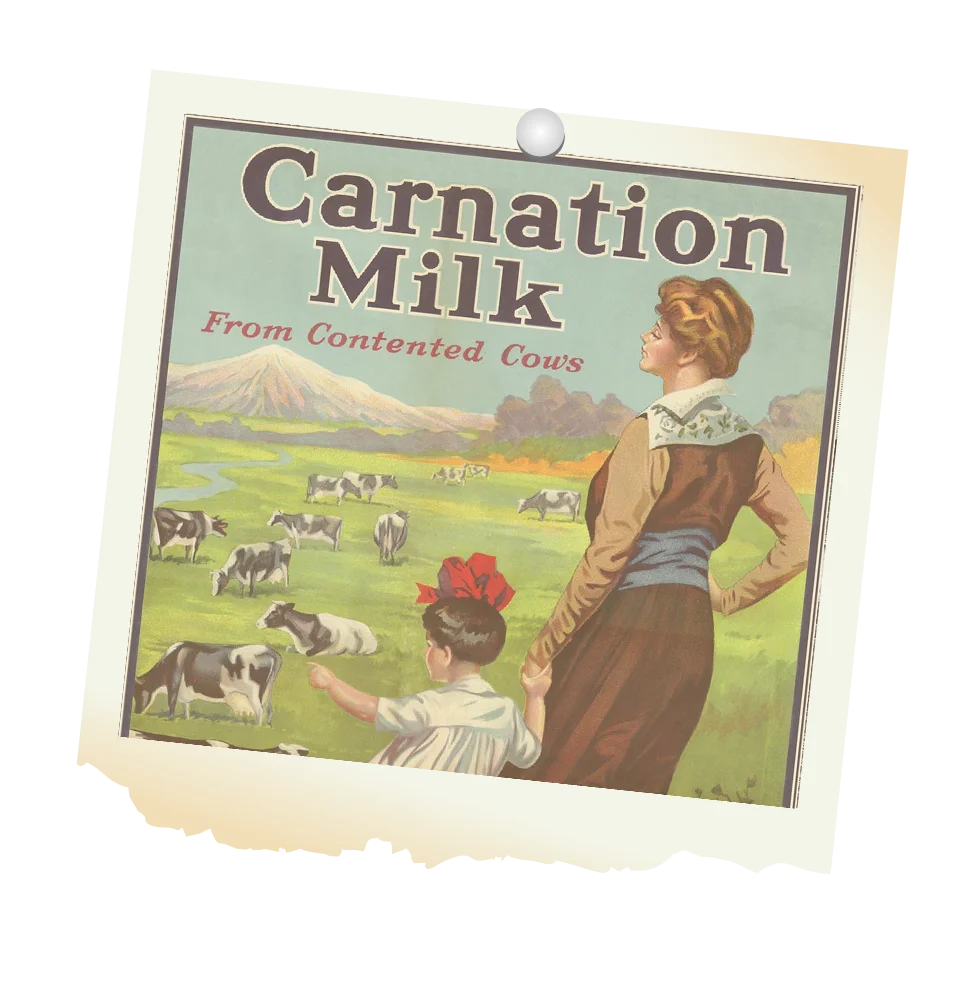
“Contented Cows” Concept is Born
At a marketing meeting, a passing remark sparks the idea that well-treated cows produce better milk, becoming the foundation of Carnation’s animal care philosophy.

1908
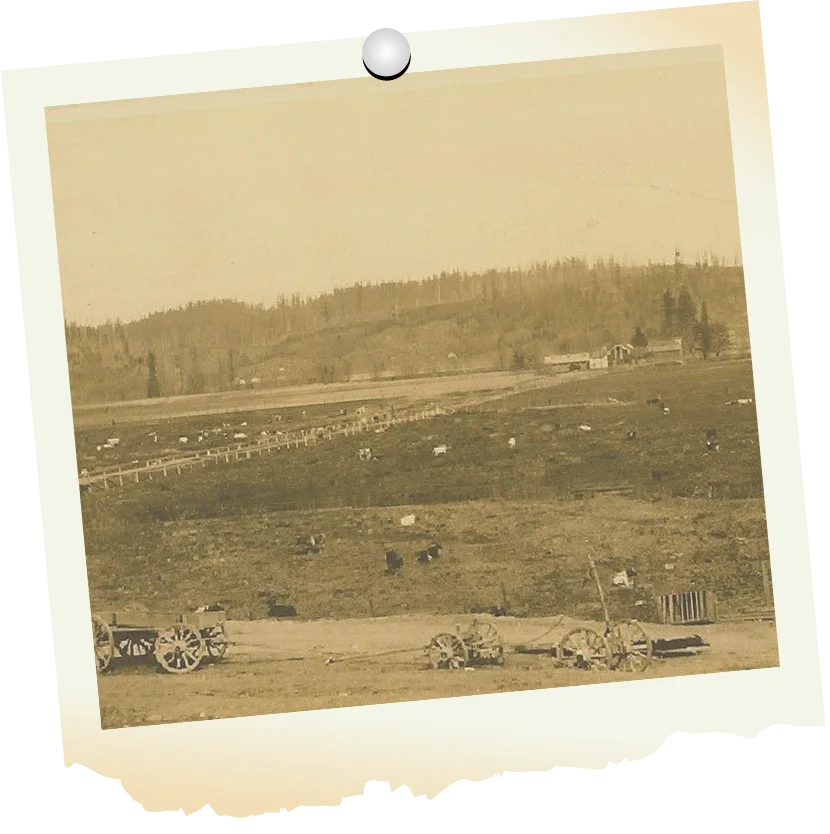
Carnation Farms Property is Purchased
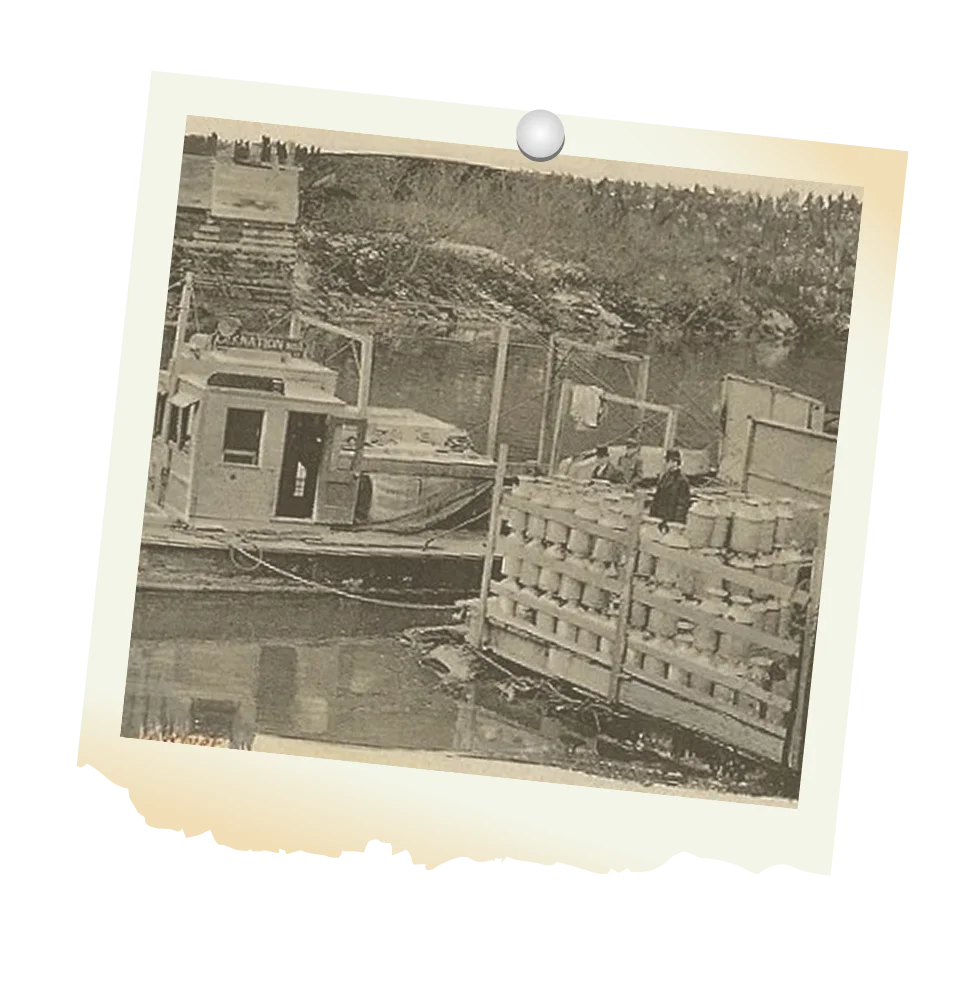
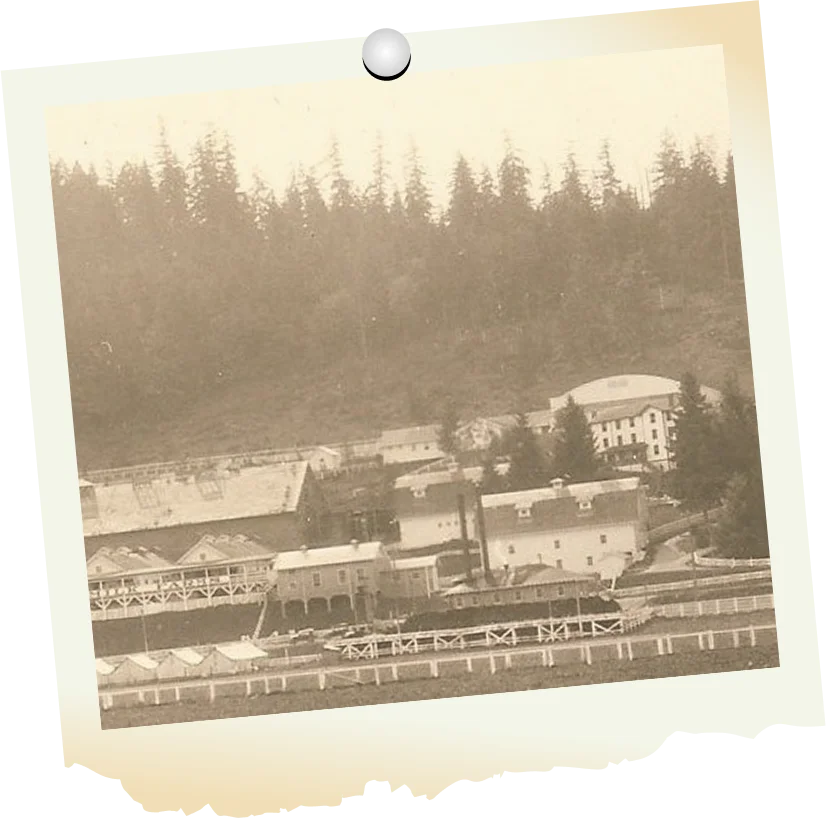
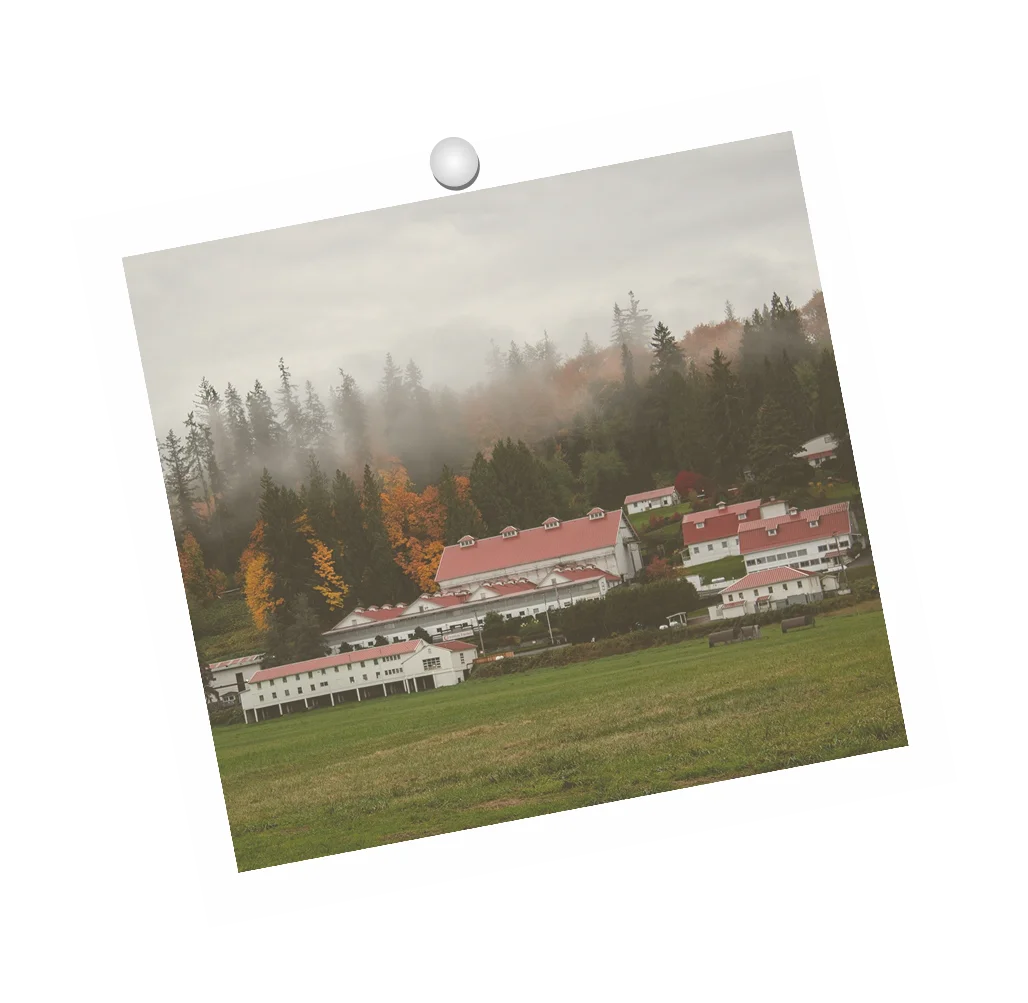
The property that would become Carnation Farms was purchased, sight unseen. Stuart first visited the property in 1910 and incorporated it as Carnation Stock Farms. Stuart moved the location of the original farm buildings in the valley flood plain to the hillside land for new buildings to be built in 1910-1911.

1911
Ferry Infrastructure is Built
A ferry was built to enable cattle and vehicles to be transported across the river. Two boats were purchased to ship milk down the river from the farm to the condensery in Monroe.

1912
Core Buildings Began Construction
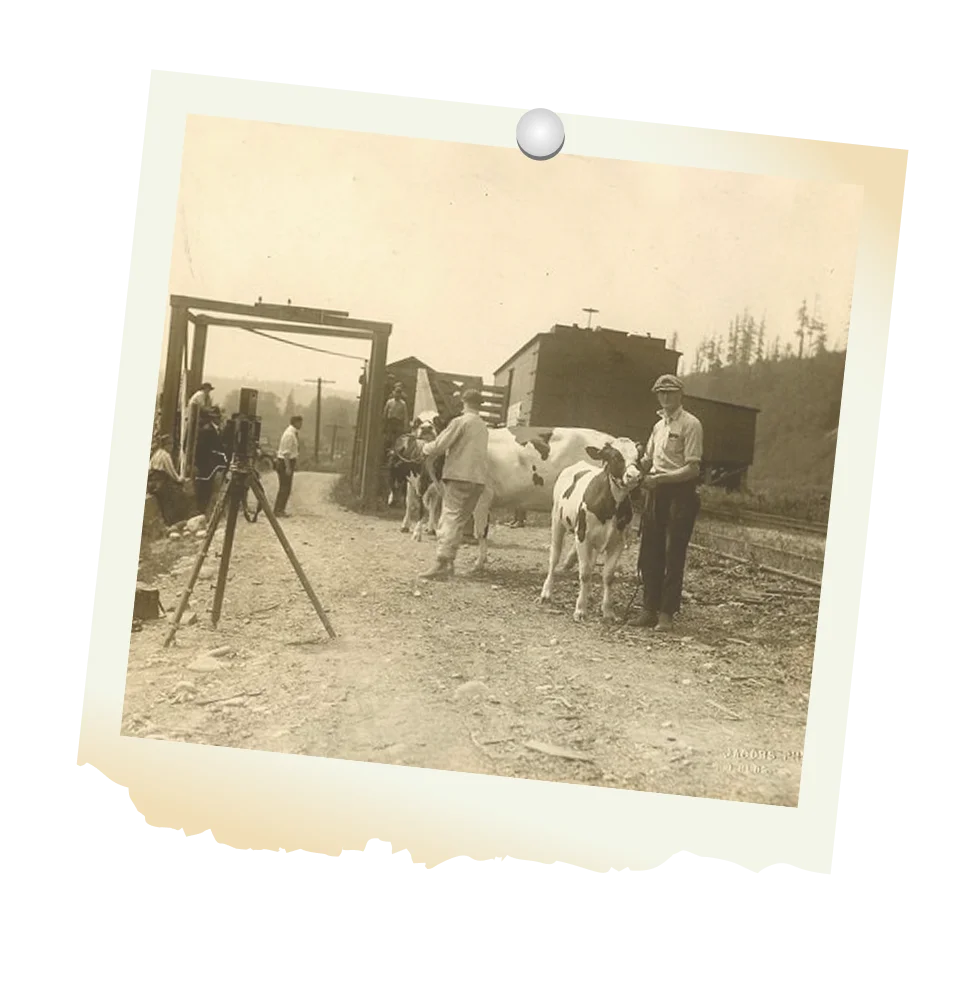
Construction of the buildings began, and they were in use by December. Almost continuous construction would go on for the next decade.

1913-1914
Railroad Infrastructure is Built
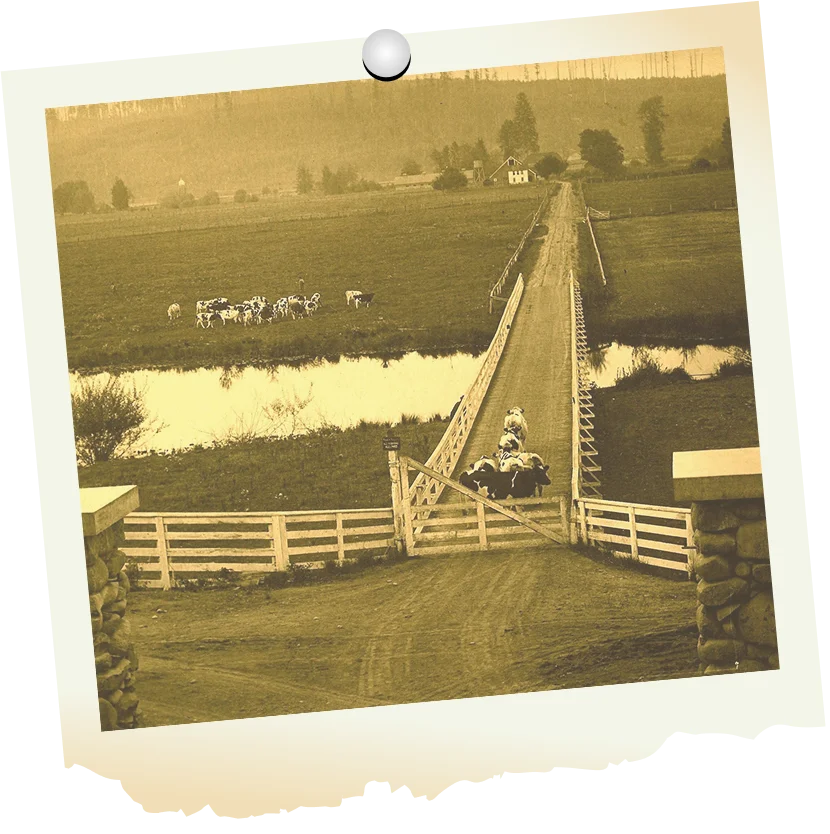
Two railroads are established across the Snoqualmie River from Carnation Farms, and a siding is established to serve Carnation Farms.

1917
A Connecting Bridge is Built
Stuart has a bridge built across the river to connect his farm to the railroad. The rail siding is named Stuart.

1918
Carnation King Sylvia Bull is Purchased
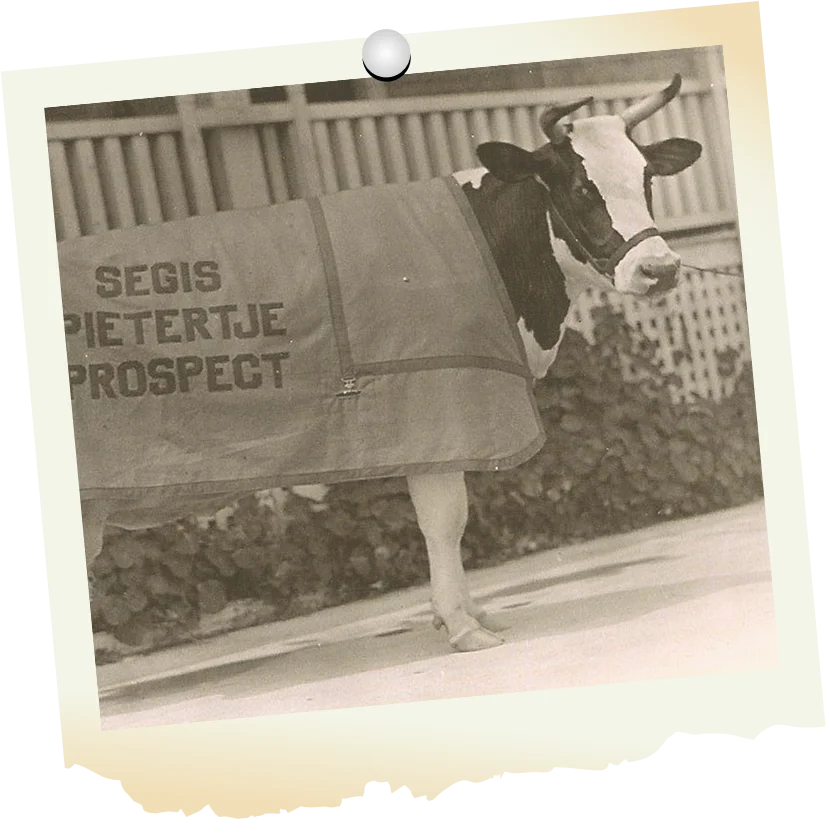
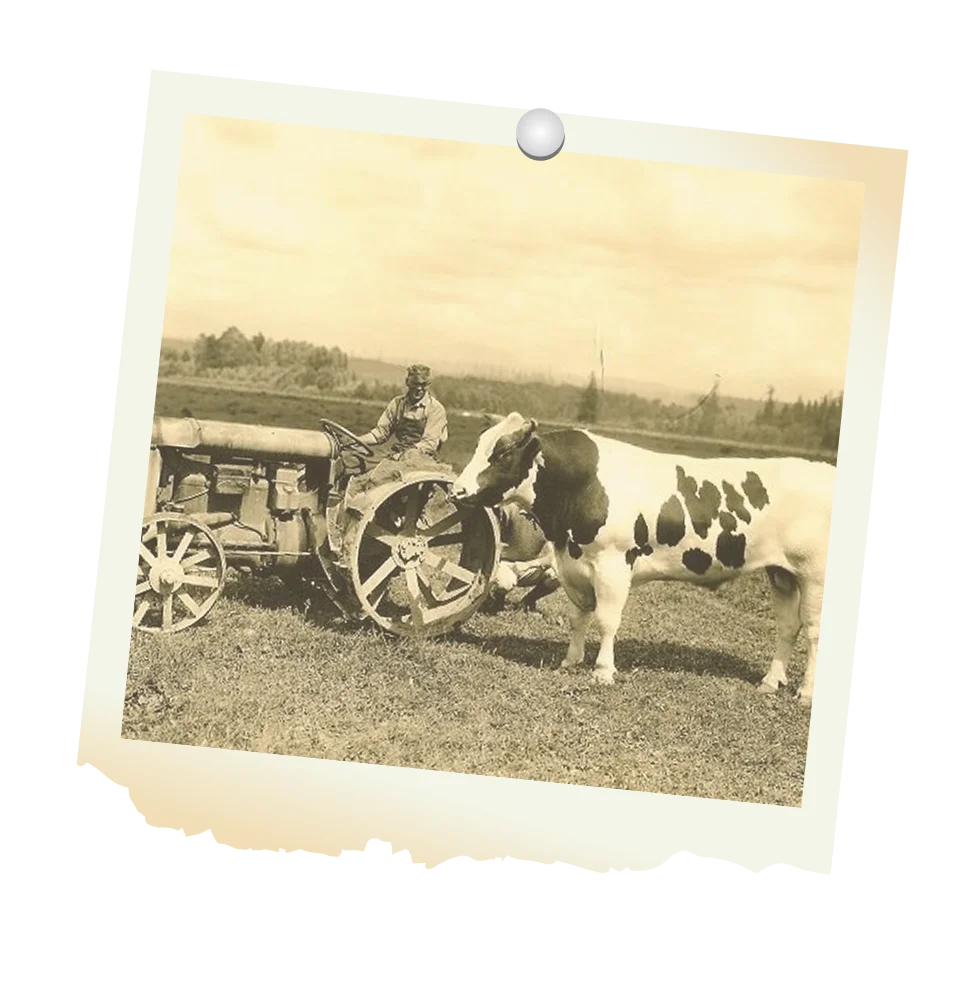
Stuart buys a prized bull calf for $106,000, an unprecedented sum that garners international attention and solidifies Carnation’s influence in dairy genetics.

1920
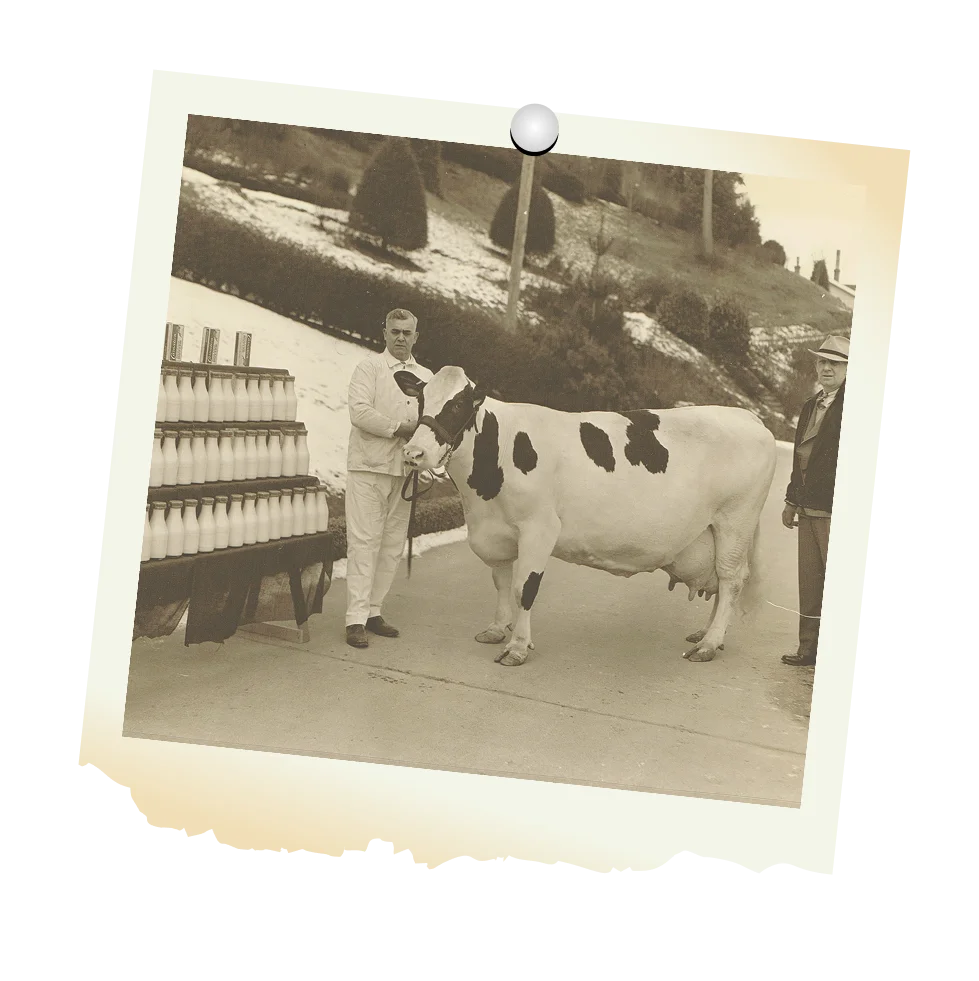
Possum Sweetheart Sets Milk Production Record
Segis Pietertie Prospect (a.k.a Possum Sweetheart) sets the milk production world record in December 1920.

1924
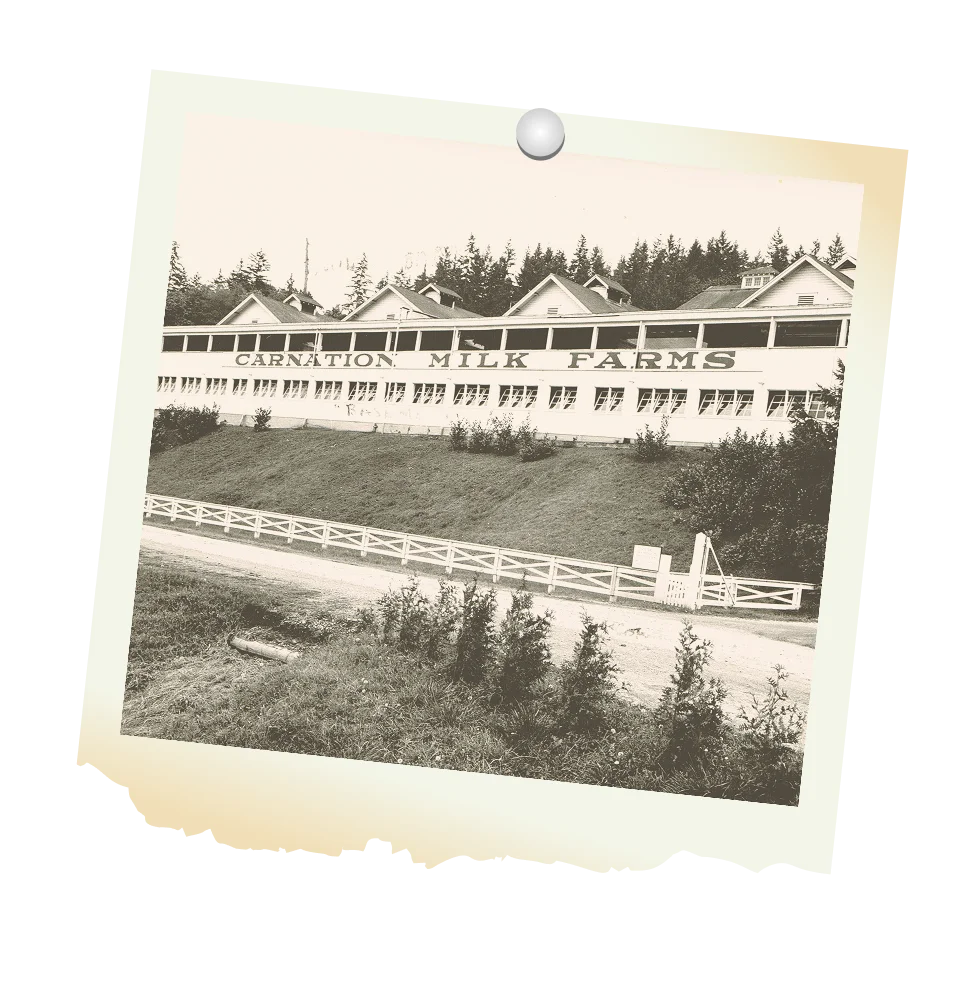
The Property’s Name is Changed to Carnation Milk Farms
The name of Carnation Stock Farms is changed to Carnation Milk Farms.

1926
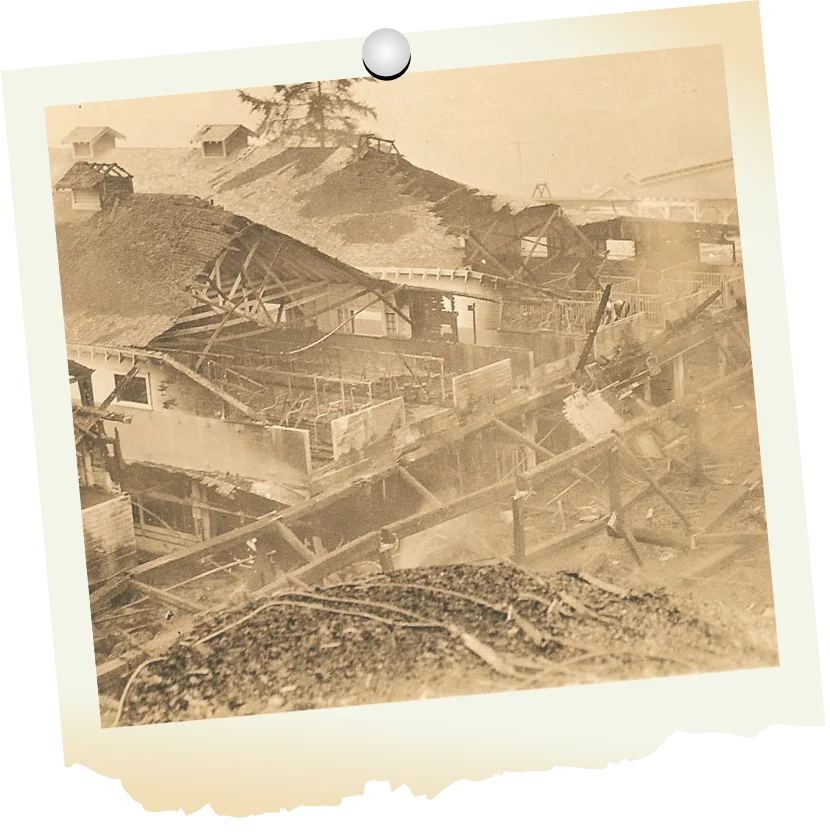
Main Barn Fire and Rebuild
A fire destroys the Main Barn in August, but it is rebuilt on-site in just two months, becoming the largest barn in King County at the time (89,000 sq ft).

1928
Possum Sweetheart’s Legacy is Commemorated
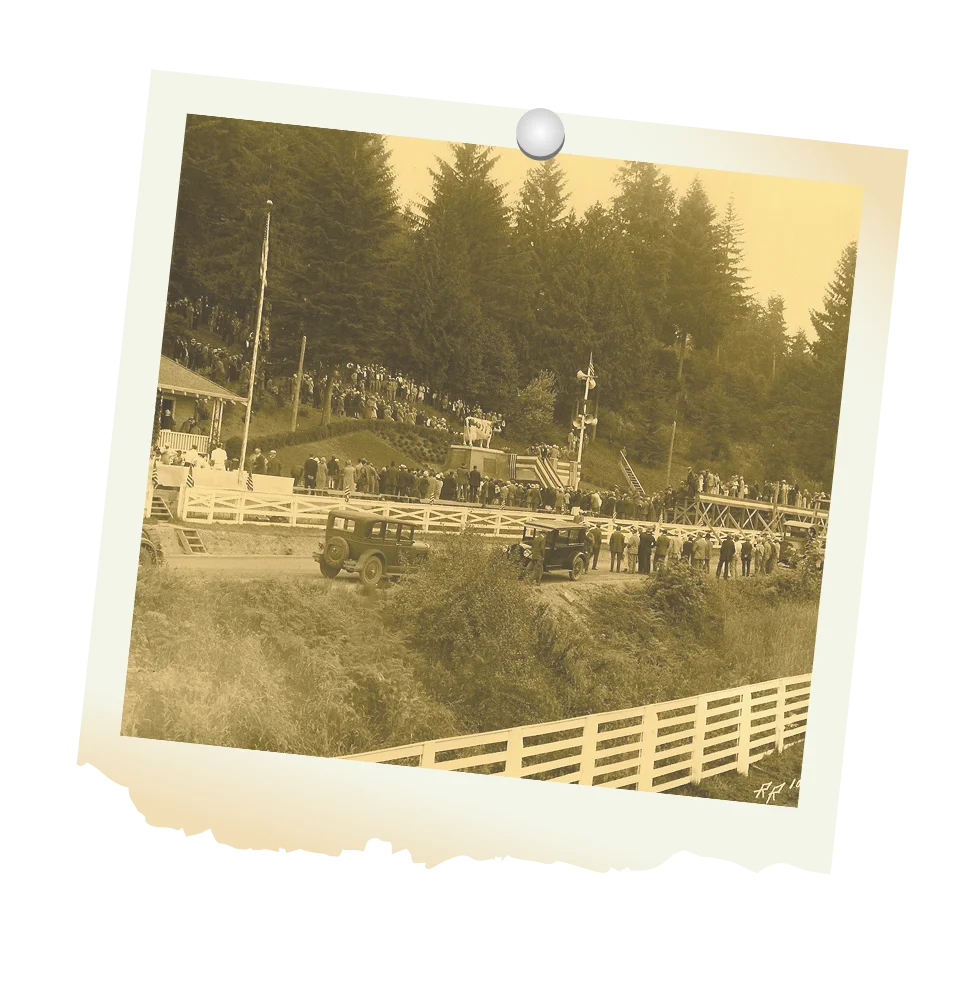
Upon her passing, Stuart erects the first known statue of a Holstein cow. Over 3,000 people attend the dedication ceremony.

1929
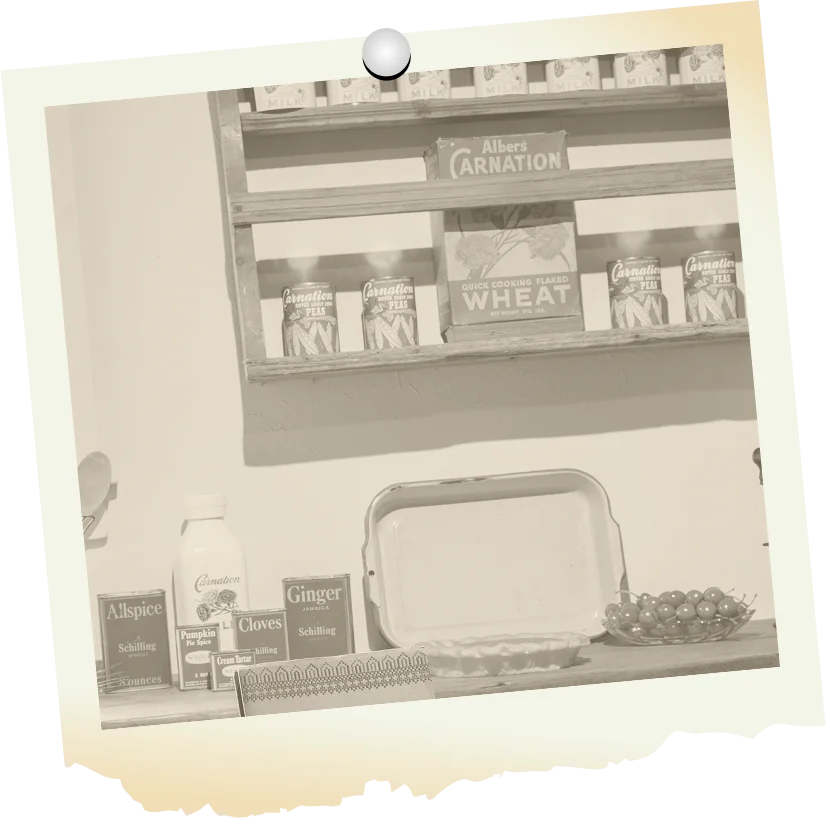
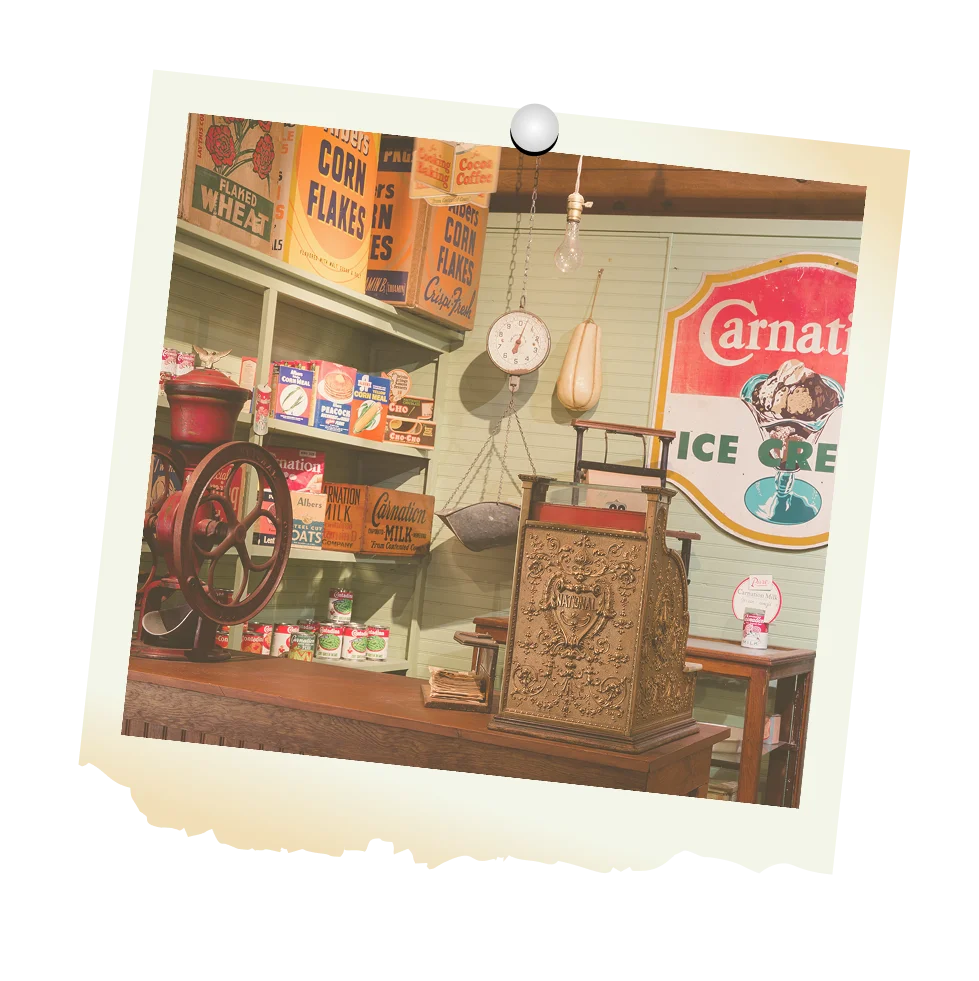
Carnation Acquires Albers Milling Co.
Carnation expands into cereals and pet food, eventually developing brands like Friskies through on-farm nutrition and palatability research.

1936
Ormsby Butterking Sets A New Record
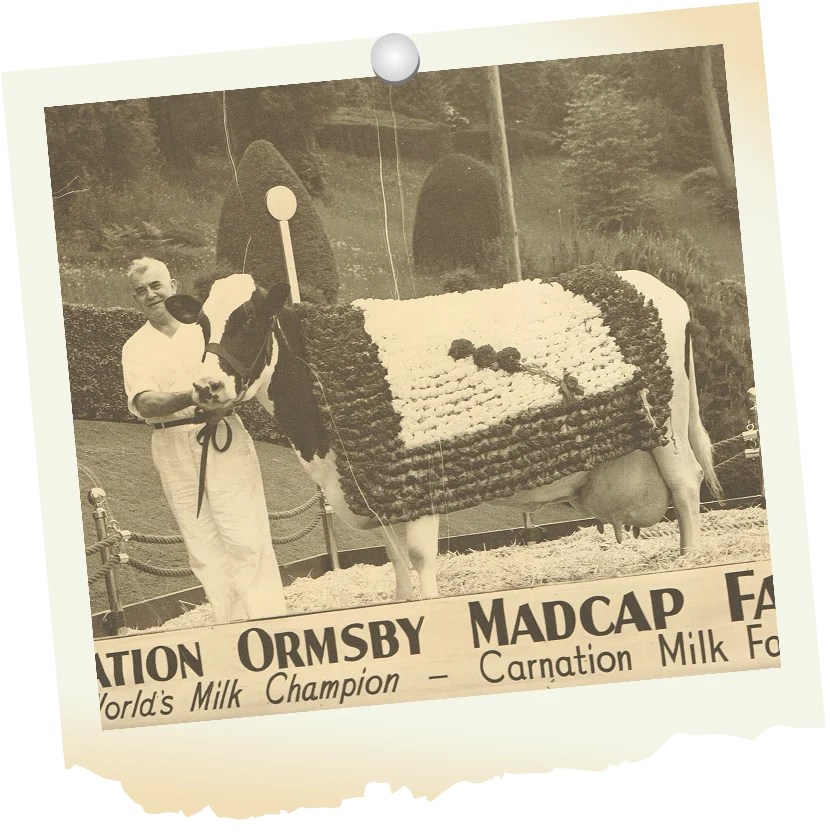
Carnation Ormsby Butterking becomes the first cow to produce over 38,000 lbs of milk and over 1,400 lbs. of butterfat.

1942
Ormsby Madcap Fayne Sets Another Record
Carnation Ormsby Madcap Fayne becomes the first cow to produce 41,000 lbs. of milk.

1950-1980
Carnation Farms Gains National Recognition
Through breeding programs, education, and marketing, the farm holds milk production records for 36 consecutive years and expands its influence globally.

1974-1976
Name Changes to Carnation Research Farms
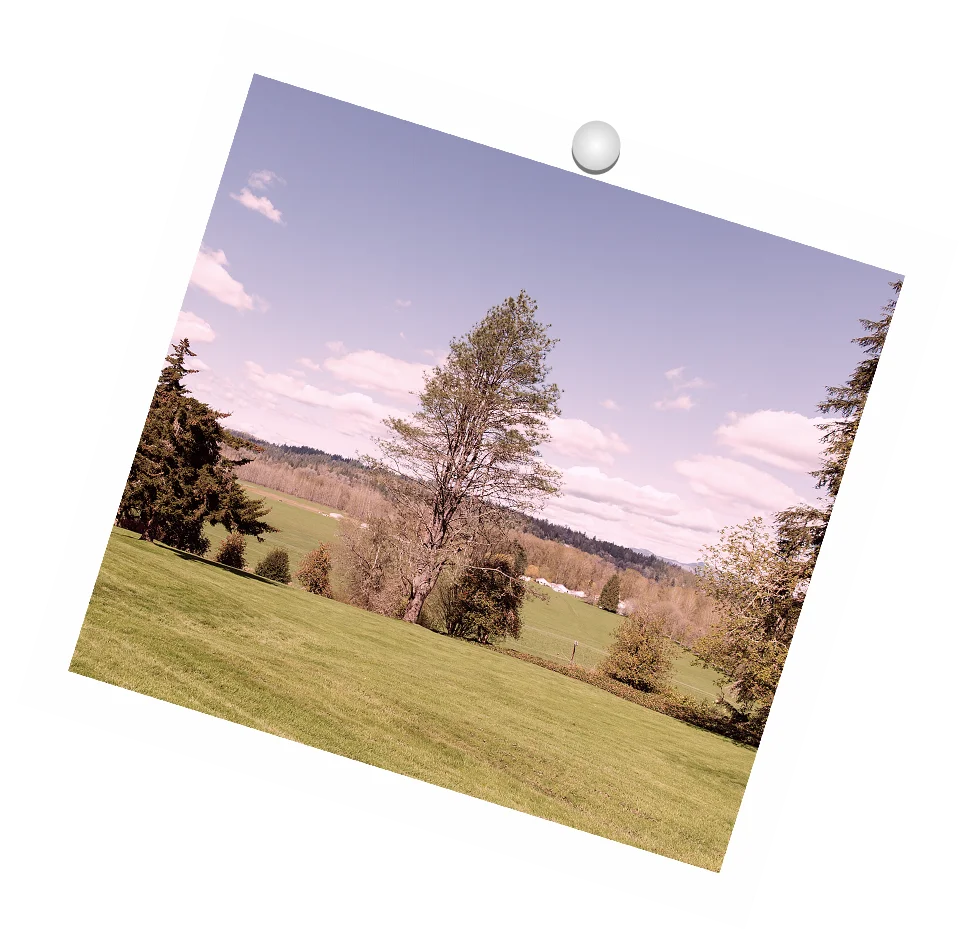
The name of Carnation Milk Farms is changed to Carnation Research Farms. A section of the old buildings are razed, the hillside is excavated, and a new dairy complex is constructed. This includes the flat barn, milking parlor, and sewage treatment plant.

1985
Carnation Company and Farm Sells to Nestlé
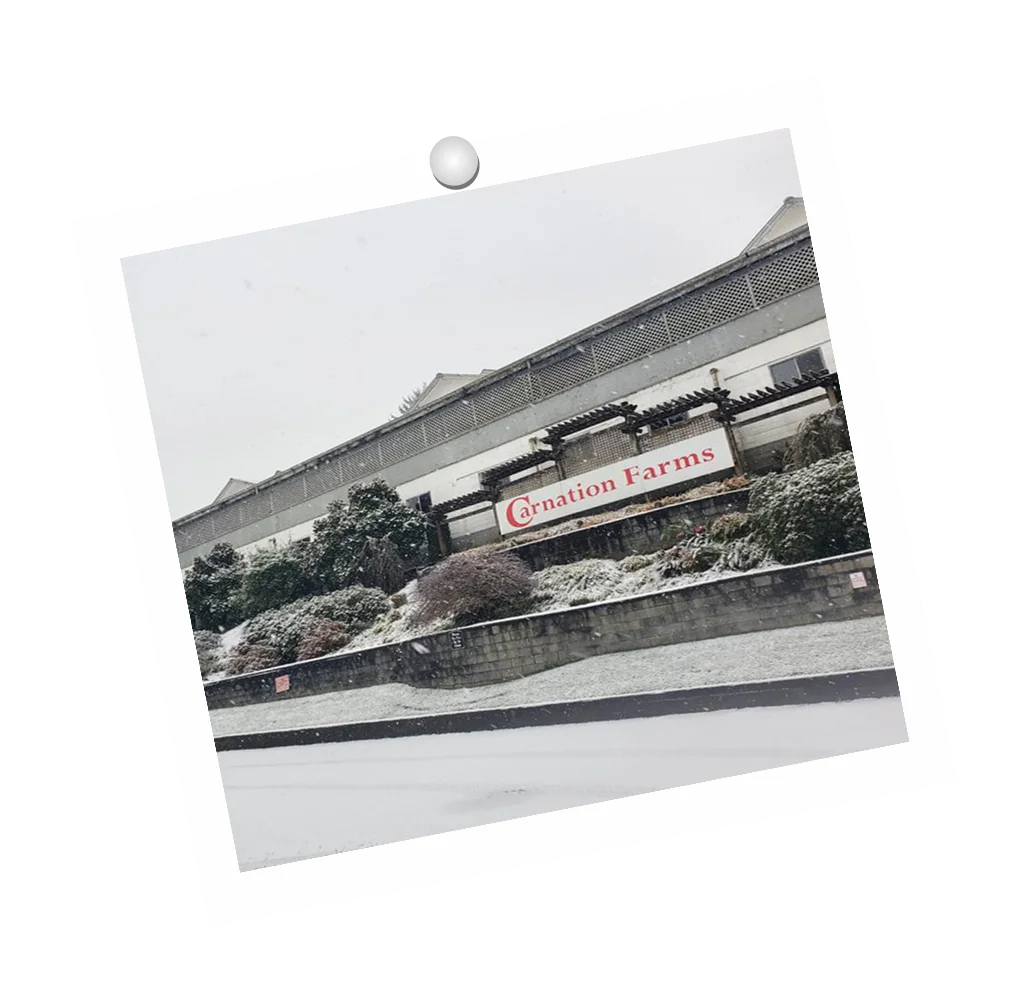
After decades of growth, the Stuart family sells Carnation to Nestlé. The farm continues operations under new ownership.

1990
Name Changes to Carnation Farms
The name Carnation Research Farms is changed to Carnation Farms. Also, the Pet Food Division of Carnation Farms is moved to St. Joe, MO.

2004
The Door Closes on Dairy
The last of the dairy herd is sold in January.

2008-2010
Ownership Returns to the Stuart Family
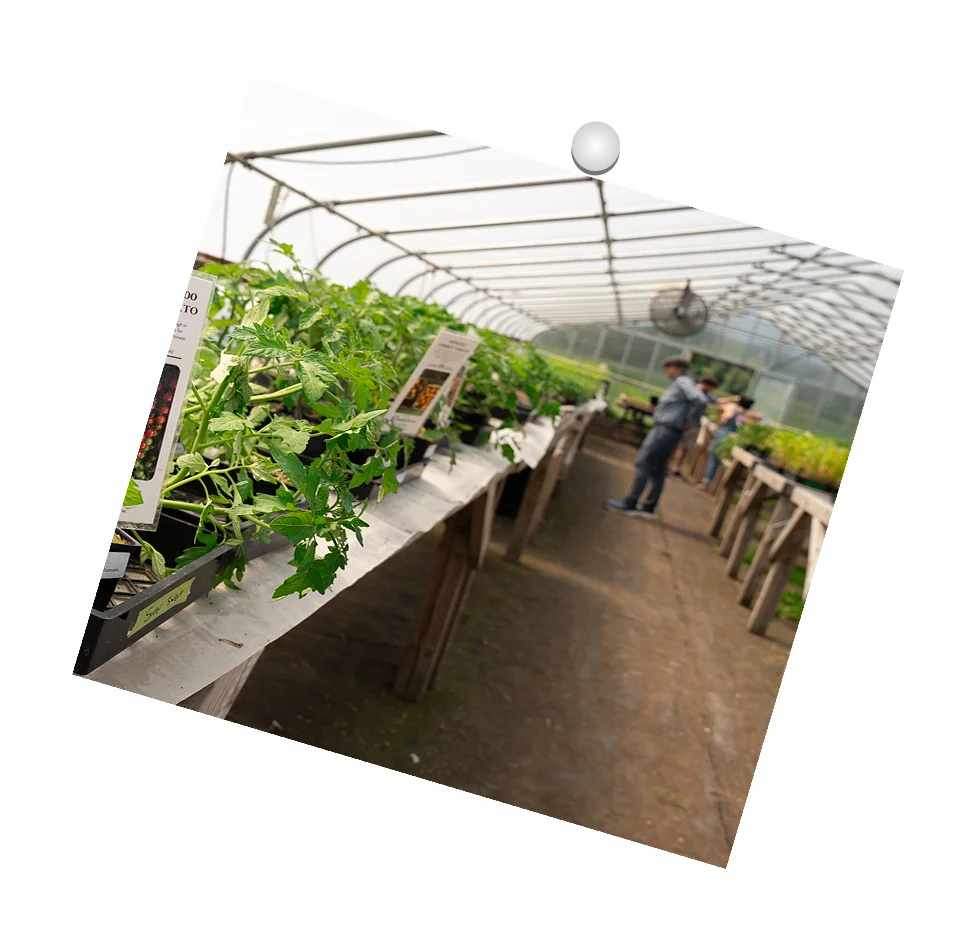
The family repurchases the farm and begins envisioning its future as a nonprofit educational and agricultural hub.

2016
Carnation Farms becomes a nonprofit
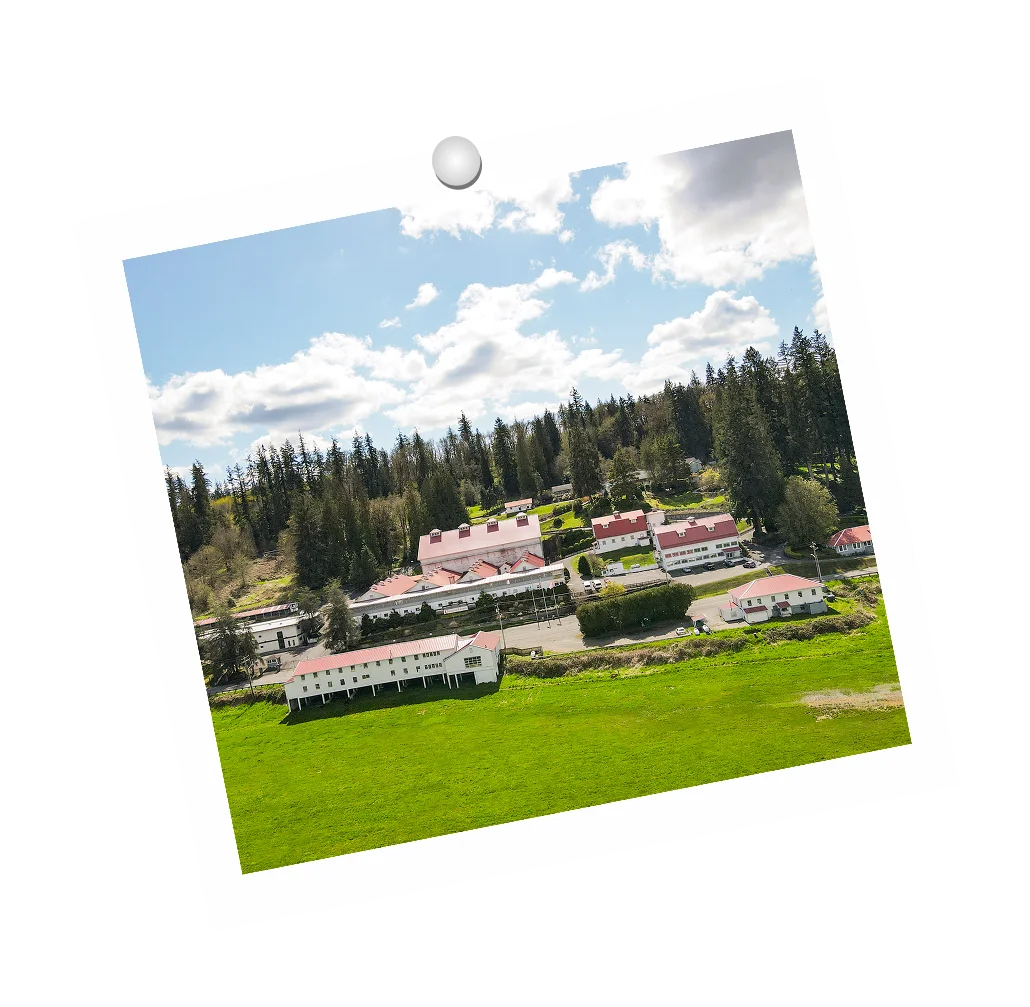
Carnation Farms as it exists today, a nonprofit dedicated to regenerative agriculture, food education and community impact was created by Daniel Oderyd, Sarah Oderyd, Elbridge Stuart III and Debra Stuart. Read more at how we got here

Today
Living History and Regenerative Future
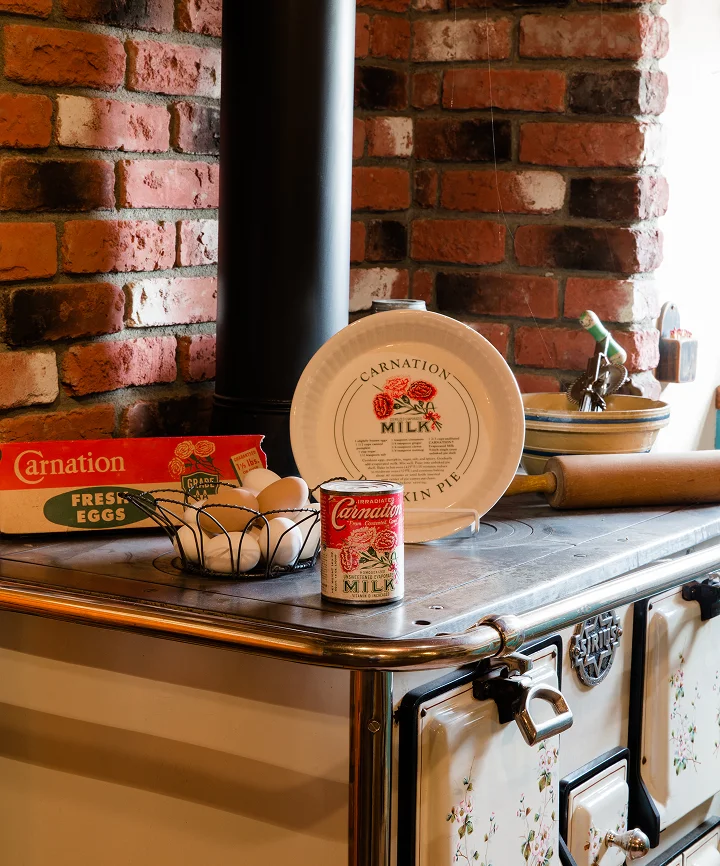
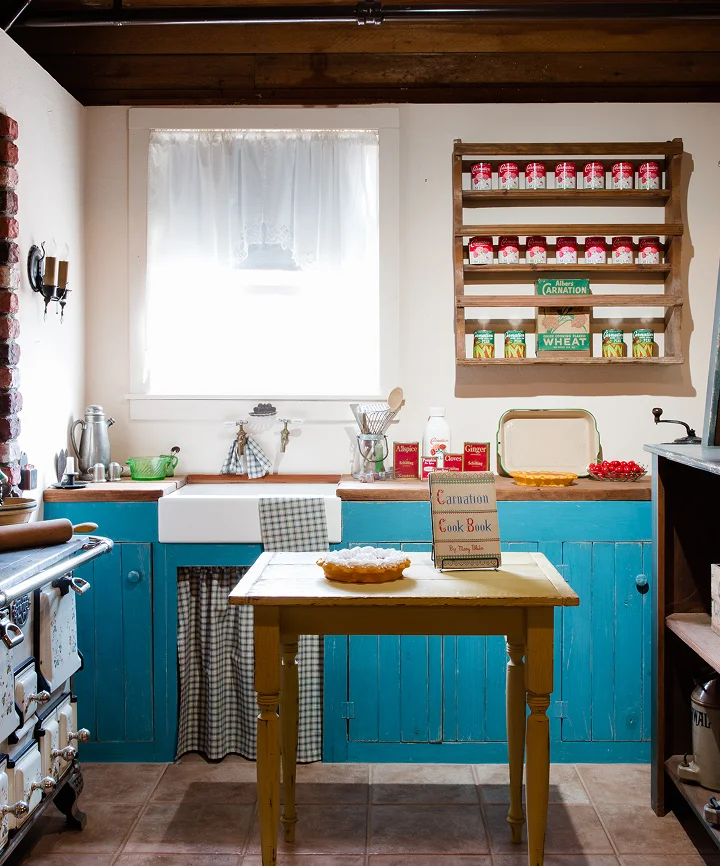
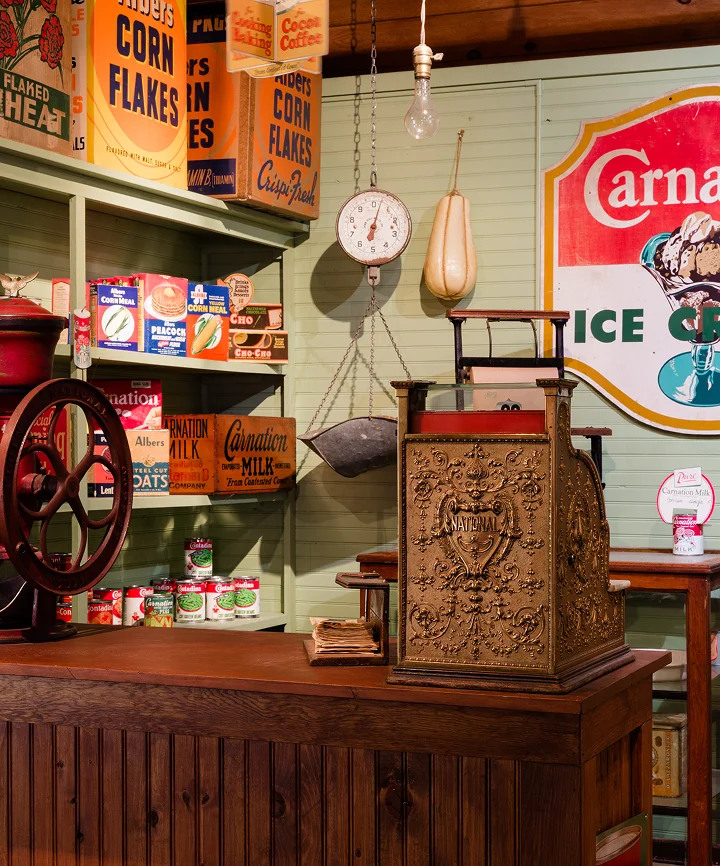
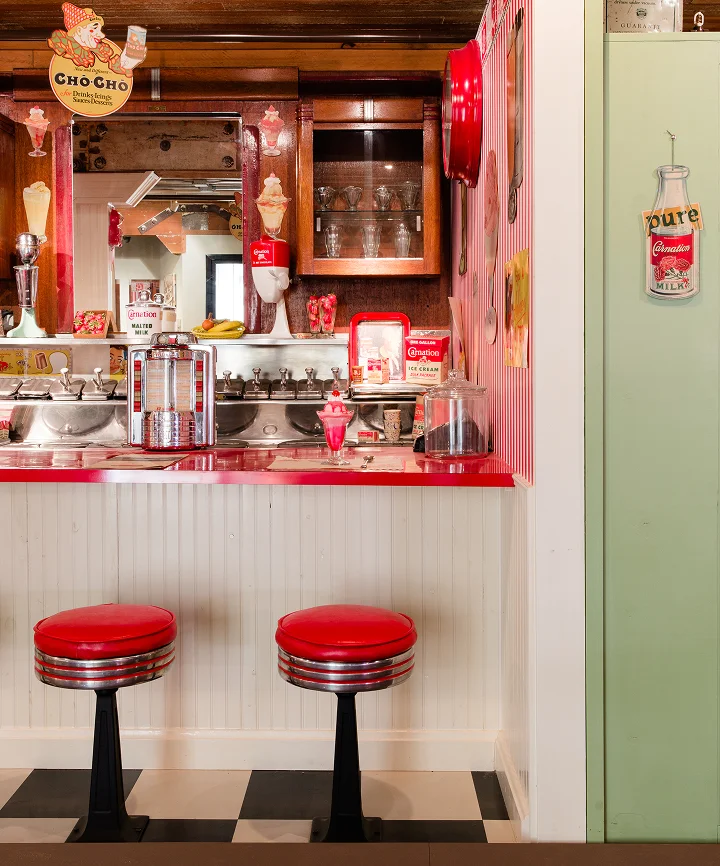
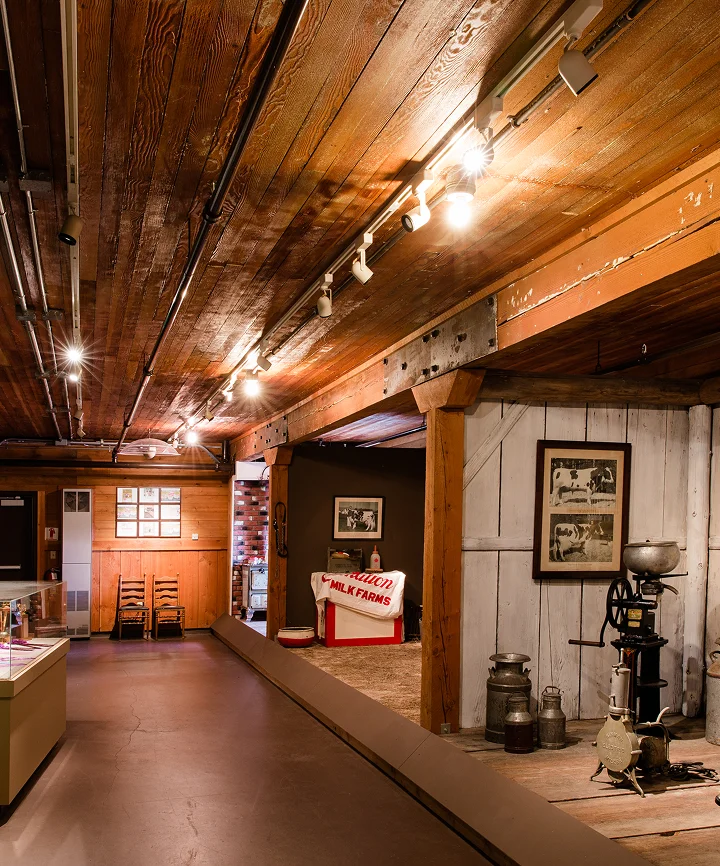
The farm operates as a community-based hub practicing regenerative agriculture and livestock and offers culinary workshops, farm-to-table experiences, and on-site museum archives that celebrate more than 100 years of legacy.